If you’re an Indian medical student or graduate planning to apply for residency in the U.S., gaining US Clinical Experience (USCE) is essential. It’s not just about exposure it’s about proving your skills in the U.S. medical system.
In this blog, we’ll break down what USCE is, the different types, and how Indian students can apply effectively for 2025-26 match seasons.
What is US Clinical Experience (USCE)?
USCE refers to hands-on or observership-based clinical training in a U.S. hospital or clinic setting. It allows international medical graduates (IMGs), including Indian MBBS students, to:
- Understand the U.S. healthcare system
- Improve clinical and communication skills
- Earn U.S.-based Letters of Recommendation (LoRs)
- Increase residency match chances
Types of USCE for Indian Students
Not all clinical experiences are the same. Here’s a breakdown of USCE types commonly available for Indian students:
Clerkships / Electives (Hands-on)
- Done during the final year of MBBS
- Direct interaction with patients under supervision
- Strongest form of USCE
- Often affiliated with a medical school
- Recommended for students yet to graduate
Externships (Hands-on)
- For MBBS graduates
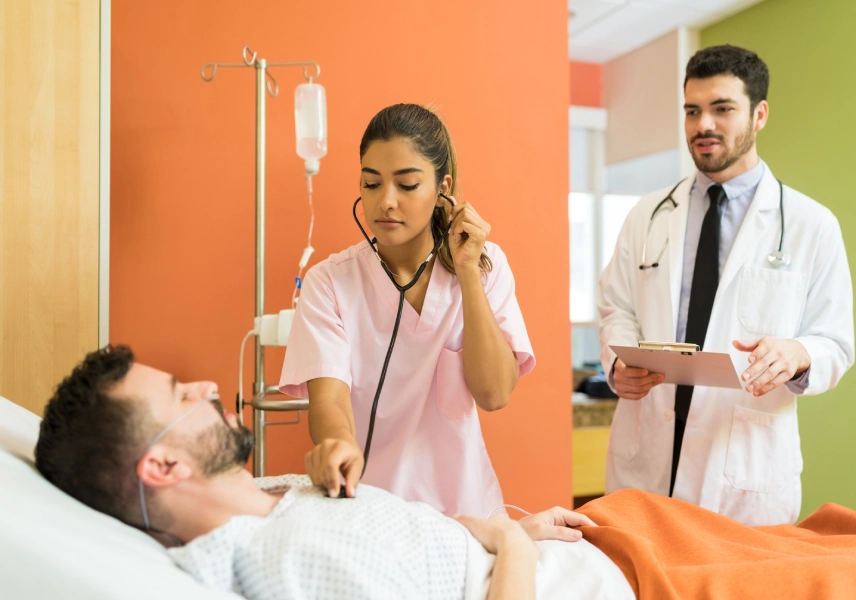
- Hands-on patient care under U.S. doctors
- Similar to internships
- Excellent for LoRs and clinical references
Observerships (Non-hands-on)
- Watch and learn without direct patient contact
- Suitable for fresh graduates or those waiting for Step results
- Still valuable for LoRs and exposure
Research Internships (Optional)
- Academic exposure in a U.S. research department
- Helps with research-based residency programs
- Not considered direct USCE, but adds profile strength
Why is USCE Important for Indian MBBS Students?
Residency program directors in the U.S. give high weightage to U.S. clinical exposure, especially when evaluating international applicants.
Key Benefits:
- Validates your clinical skills in a U.S. setup
- Helps you earn strong U.S. Letters of Recommendation
- Shows your adaptability to American hospital systems
- Boosts your CV for the ERAS application
- Increases confidence for Step 2 CS-alike clinical scenarios
Pro Tip: Most competitive residency programs prefer at least 2 – 3 months of recent USCE experience.
How Indian Students Can Apply for USCE
Finding and applying for USCE opportunities can be tricky, especially without the right guidance. Here’s how to get started:
Step-by-Step Process:
- Identify Your USCE Type – Elective, externship, or observership
- Shortlist Programs – Use platforms like VSLO (for electives), AMO, or direct hospital websites
- Prepare Documents – CV, Statement of Purpose, Transcript, Passport, Step 1 score (optional)
- Apply Early – USCE spots fill fast, apply at least 6 months in advance
- Apply for B1/B2 Visa – Most programs will require you to travel under a visitor visa
- Seek Mentorship – Join support groups or consult experts like Medibridge Edu
Where Can You Find USCE Opportunities?
Recommended Platforms:
- VSLO (Visiting Student Learning Opportunities) – For students of participating universities
- AMOpportunities – Paid externships and observerships
- Chicago Clerkships – Externships for IMGs
- MedClerkships – Customized programs
- Direct Hospital Applications – Some hospitals accept email-based applications
When is the Best Time for USCE?
| Year of Study | Recommended USCE Type |
| Final Year MBBS | Elective Clerkship |
| After Graduation | Externship / Observership |
| 1+ Year After MBBS | Research + Observership |
How Medibridge Edu Supports Your USCE Journey
At Medibridge Edu, we help Indian students:
- Choose the right type of USCE for their profile
- Prepare a professional CV, LoR request, and SOP
- Identify and apply to verified USCE programs
- Guide on visa process and travel prep
- Align USCE with your USMLE Step 1 and Step 2 CK prep
- Plan your ERAS application for maximum impact
Final Thoughts
US Clinical Experience isn’t just a checkbox for residency it’s your gateway to adapting, proving, and excelling in the U.S. healthcare system. Start early, apply wisely, and lean on experts to guide your journey.
Want help finding the best USCE program for your profile?
FAQS
Q1. What is US Clinical Experience (USCE) for Indian students?
Ans: USCE is clinical exposure in U.S. hospitals or clinics through electives, externships, or observerships that help IMGs adapt to the U.S. healthcare system.
Q2. Which type of USCE is best for Indian MBBS students?
Ans: Elective clerkships during final year MBBS are the strongest form of USCE, while externships are best for graduates seeking hands-on experience.
Q3. How long should Indian students do USCE for residency applications?
Ans: Most residency programs prefer at least 2-3 months of recent USCE to strengthen ERAS applications and Letters of Recommendation.
Q4. When should Indian students apply for USCE?
Ans: Applications should be submitted at least 6 months in advance since USCE slots fill quickly, especially for electives and externships.
Q5. What documents are required for USCE applications?
Ans: Commonly needed documents include CV, Statement of Purpose, transcripts, passport and sometimes USMLE Step 1 score for electives.